Menu
Blasts for public, private, charter and independent K-12 schools
Your school already knows who needs to hear it.
The whole school when a campus closes. One grade when a trip runs late. One bus route when the stop order changes. One team when practice moves. A person at your school chooses the audience and writes the message; DirectToParents carries it to those parents and guardians and to nobody else.
Consent-based and encrypted. Start by email, no app required. Credits are prepaid and never expire. No subscription, no SMS, and no connector to your student information system.
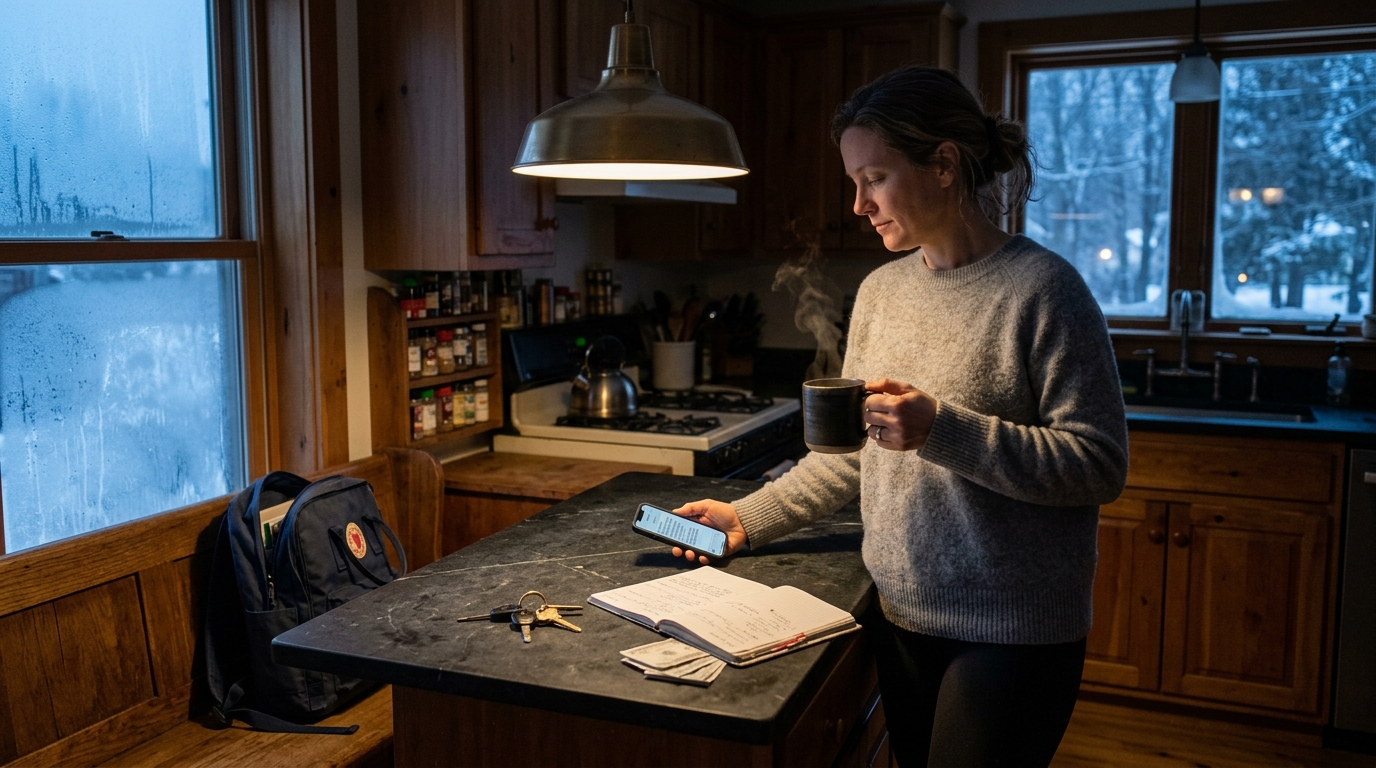
- All Parents & Guardians
- Grade 5
- Bus Route 4
- Varsity Soccer
- Arts & Activities News
School opens two hours late today because of ice on the Ridge road. Buses run on the same delay and breakfast is not served. Dismissal is unchanged.
The river trip is back at 4:15 instead of 3:00. Collect from the gym door, not the usual one. Everyone is fine, the bus just met traffic.
From next week Route 4 runs Elmgrove before Quarry Lane in the afternoon. Quarry Lane stops move about eight minutes earlier.
One school, many real groups
One message. The audience it actually concerns.
A school is not one list. It is a whole school, three divisions, a dozen grades, forty classrooms, six bus routes, fourteen teams, a few dozen activities, and the things a parent or guardian chose to hear about. Every message belongs to one of those, and somebody at the school always knows which. For a parent or guardian, each of those is about their own child's school day; the Hub never knows the child, and the person at school who sends it does.
School life, one audience at a time
A school day happens in many places at once. A person at the school knows which one a change belongs to, and the message goes to that one audience.
School life
Whole school
- All Parents & Guardians
Divisions
- Lower School
- Middle School
- Upper School
Grades, routes and teams
- Grade 5
- Bus Route 4
- Varsity Soccer
Interests a parent or guardian chooses
- Athletics News
- Arts & Activities News
A person at the school
- 01A person learns the fact
- 02A person writes the message
- 03A person picks the audience
- 04DirectToParents delivers it
Parents and guardians in that one audience
- Whole schoolCampus closed tomorrowToAll Parents & Guardians
- Division or gradeGrade 5 field-trip forms due WednesdayToGrade 5
- RouteRoute 4 afternoon stop order changedToBus Route 4
- Team or activityPractice moved indoorsToVarsity Soccer
- Open interestSpring arts showcase announcedToArts & Activities News
Each message goes to exactly one audience. The Hub knows no child and no student record; the person who knows the fact chooses where it goes.
Three of these are the school's own structure, which the school creates by name and fills. One is an interest a parent or guardian picked for themselves. Each message goes to exactly one audience, and none of them is worked out from a student record, because the Hub holds none.
The distinction that matters
The school knows. DirectToParents carries.
Parent-communication products usually promise to learn your school: connect the student information system, and the software will work out who to tell. This one does the opposite, on purpose. Your school already holds every fact worth sending, in the systems and the heads of the people who run the place. The gap has never been knowledge. It has been a channel that can act on it.
Your school already knows
- which grade is travelling on Friday and when the bus is due back
- which bus route changed and whose afternoon it moves
- which team practises today and where it was moved to
- which division has an evening event and who should come
- when a decision affects every single family at once
DirectToParents holds only
- the parents, guardians and staff who agreed to hear from you
- the audiences you put them in, or the interests they picked themselves
- what you sent, to which one audience, and the YES or NO replies people send back
- 01
A person learns the fact
The superintendent makes the call before dawn. The transportation office is told the route changed. The coach hears the other school closed. This is the part your school has always been good at.
- 02
A person writes the message
In their own words, with what a parent or guardian actually needs to do about it. Link to the revised schedule or the permission form if it helps.
- 03
A person picks the audience
Exactly one: the whole school, that grade, that route, that team, or an interest. The list already exists because somebody built it in August.
- 04
DirectToParents delivers it
To the people in that audience, on their phone if they are on Blasts and by email if they are not, from a sender they recognise. And to nobody else.
Nothing in that sequence is automatic, and nothing needs to be. DirectToParents never learns that a student was absent, that a grade changed, that a route was reassigned or that a form is outstanding. It does not read your student information system, your learning platform or your parent portal, and there is no connector to any of them. The knowing stays with your school, which is where it belongs and where it is accurate.
Structure
One send. One audience. Your school keeps the lists.
A parent or guardian usually belongs to several parts of a school at once, because their child does. The Hub does not know the child. Your school puts that adult in each audience that applies, and every message goes to exactly one of them.
One parent, several separate audiences
A parent of a Grade 7 student who rides Route 4 and plays Middle School soccer is in each of these because somebody at the school put them there, or because they chose it:
- All Parents & Guardians
- Grade 7
- Bus Route 4
- Middle School Soccer
- Arts & Activities News
A route change goes to Bus Route 4. A Grade 7 trip goes to Grade 7. This parent receives both, as two separate messages.
No combining, no excluding
There is no single send to Grade 7 and Middle School Soccer together, no send to everyone except Route 4, and no rule that works out who fits.
- Grade 7 Soccer
When a message genuinely concerns a combination, the combination is its own audience, created by name and filled by the school.
The school creates them
You name each audience the way families say it (Grade 7, Room 12, Bus Route 4, Middle School Soccer), and you decide who belongs in it, working from the lists your school already keeps.
The school maintains them
When a child changes class, team or route, somebody at the school moves that adult. Nothing moves on its own, because the Hub knows no child and no record.
Tidy, not automatic
An audience can be filed inside an open audience, one level deep, to keep a long list tidy. That is organization only: each audience is still its own list, and a send reaches the people in the audience you picked.
Year end is a clean sweep
Archive the grades you will rebuild. The history is kept and the connections stay, so returning families are still reachable in August and next year's grades start empty.
None of this is imported from a student information system, synced from anywhere or detected from student records. A CSV row, a webhook post and a Zapier action each add one adult, and place them only in an audience your school already created and named in that file or form. Where that adult belongs is a decision a person at your school makes.
Two kinds of audience
Some groups you assign. Some a parent chooses.
Both kinds are real audiences and both are sent to the same way. The difference is who decides who is in them, and it is worth getting right before the first day.
Open interests: a parent or guardian chooses
- Athletics News
- Arts & Activities News
- School Events
- Volunteer Opportunities
These appear on each person's preferences page and in Blasts. Nobody has to be assigned, and nobody is left out by an oversight. A new school Hub starts with these four.
School-created groups: your office assigns
- Grade 5
- Room 12
- Bus Route 4
- Varsity Soccer
- After-School Program
These are your structure, so they are yours to build and fill. Set them to the school assigns and they are never offered to a parent as something to tick, because being in Grade 5 is not a preference.
An interest is not a roster
Athletics News is for anyone who wants to hear how the season is going. It is not the parents and guardians of the varsity roster. That is a group you build, and the two are different lists on purpose.
Either, where it makes sense
An audience can allow both: parents can opt in and the office can add people. Useful for something like After-School Program, where most people are assigned but a few ask.
Parents stay in control of the open half
Someone can add or drop an interest on their preferences page at any time, and people on Blasts can mute or disconnect there. Replying STOP ends everything, including the audiences the school assigned, so the office adds that adult back only if they ask.
Staff is not one of the starter audiences, deliberately. A staff list is a closed list, and anything seeded at setup is offered to parents as an interest they could pick. So you create Staff yourself and set it to the school assigns, and it stays where it belongs.
The moments a school year produces
Eight messages, eight different audiences.
Every one of these was written by a person at the school who had just learned something, and sent to the audience that fact belongs to.
School is closed today for snow and ice on the Ridge road. All activities and after-school care are cancelled. We will send the plan for tomorrow by 4 p.m.
Permission forms for Friday's river trip are due Wednesday. Send them in with your child or drop them at the office. Reply here if you need more time and we will sort it out.
Starting Monday, Route 4 runs Elmgrove before Quarry Lane in the afternoon. Expect pickup about eight minutes earlier at the Quarry Lane stops.
Today's away game is off: the other school closed at noon. Practice instead, 4 to 5:30 on the turf. Questions to me on this thread.
Curriculum evening for Middle School families is Thursday at 6:30 in Ridge Hall. Advisors will be in their own rooms from 7:15.
We dismiss at 12:30 today because of a water main break. Buses run two hours early. Reply YES if your usual pickup plan still works, or NO if it changes, so we can plan.
The spring showcase is set for the second week of May in Ridge Hall, with the one-act festival the evening before. Casting and crew sign-ups open after the break.
We need four more chaperones for the Grade 5 river trip on Friday, 8:30 to 2:30. Reply YES if you can come and I will follow up with what to bring.
A YES or NO is the parent's own reply, which the Hub counts. It is never an answer recorded on anyone's behalf, and a read is not an answer at all.
Getting connected
Start with an email address. That is the whole first step.
Nobody has to install anything for your first message to arrive. A parent or guardian on your opted-in list receives from the school by email from your first send. If they use Blasts, or install it later, and connect with the same email address, their messages move there on their own, and you never have to run two lists.
Email first, Blasts when they are ready
From your first send, with an email address alone. No app required.
Their messages move there on their own. Nothing to migrate.
An address added by hand gets an invitation, not a subscription.
- 01
Import the contacts you already keep
Upload the CSV export of the opted-in parent and guardian contacts your school already has. Email is the only column you need, and each row is one adult, so leave every student column out. Confirm they agreed to hear from you, and everyone on it can receive by email from your first send, with no app and no setup on their side. Addresses added by hand get an invitation instead.
- 02
Offer the connection where families already read
Put the school's join code and QR on the enrolment confirmation, the back-to-school letter, the first-day folder, the office counter, the open-house table and the pickup-line sign. The Hub prints the kit for you.
- 03
A code creates a request, which you accept
Someone who enters your code in Blasts sends your school a connection request. You accept it under People who want to connect, or turn on auto-accept for enrolment season so requests connect the moment they arrive.
- 04
Delivery moves on its own
When someone who has been receiving by email connects on Blasts with the same email address, the Hub notices and their messages start arriving there instead. Nothing to migrate, nothing to ask them to redo.
- 05
Each adult connects as themselves
A home with two guardians is two people, each receiving as themselves, with their own interests and their own decision to stay or leave. Staff are added the same way.

Where schools put the connection
- The enrolment confirmation
- The back-to-school letter
- The first-day folder
- The office counter
- The open-house table
- The pickup-line sign
- The school website
Email first, Blasts when they are ready. Sending to both at once is possible, but it is not the way this normally runs, and it is not something you have to manage.
Everyone opts in and everyone here is an adult: a parent, a guardian or a member of staff. A person who has not agreed cannot be reached this way, and anyone can stop receiving at any moment.
Who sends
The person who knows can say so, without going through anyone.
The away game is called off at one o'clock. The route changes on a Thursday afternoon. If those have to pass through one person with the password, they arrive late or they do not arrive. Each person signs in as themselves and is granted exactly the audiences they should reach.
- The principal or head of schoolAll Parents & Guardians: the closure, the early dismissal, the notice everyone needs
- The front officethe whole school and any grade or division; the deadlines, the forms, the day-to-day
- A division or grade leadtheir own division or grade, and nothing else
- The transportation officethe bus routes: Route 4 and nobody on the other five
- The athletic directorAthletics News and the teams they run
- The activities or arts leadArts & Activities News and their own groups
- The volunteer coordinatorVolunteer Opportunities, and reads those replies
- A business manager or board membernothing. Read-only, so they can follow along
Granted per audience, both directions
For each audience you tick whether that person may send to it and whether they may read its replies. So a parent's note to the athletic director never lands in the band sponsor's inbox.
No approval queue by default
A new school Hub lets a coordinator send straight away, because waiting for a second person is how a one o'clock cancellation becomes a four o'clock one. Turn approval on in Settings if several coordinators share the channel and you want the tone held.
The whole-school send stays deliberate
Grant All Parents & Guardians only to the people who should use it, usually the principal and the office. Keeping the whole-school message rare is what keeps people reading it.
Every send is attributed
The audit trail records who sent, approved, invited or changed what, which is useful the day somebody asks who announced the early dismissal.
A Blast shows your school as the sender, not an individual staff member. Teachers and coaches are not given seats by default: someone who connected as a parent and then asks for Hub access appears under Access requests, and nobody gets in until an administrator approves and picks the role.
Where it fits
Beside your systems of record, not on top of them.
Your school already runs software that holds the truth about students. DirectToParents does not want any of it, does not connect to any of it, and is more useful because of that.
- Your student information systemenrolment, attendance, grades, the student record and the official contact details
- Your learning platformcoursework, assignments and everything a student submits
- Your parent portalreport cards, lunch balances, fees and whatever else families log in to see
- Your transportation softwarethe routes, the stops and which vehicle is where
- Your emergency proceduresthe official notification path, the drill, the call tree and the obligations that come with them
DirectToParents holds
The adults who agreed to hear from you, the audiences you put them in or they chose, and what you sent. That is the entire list.
A person at your school reads one of those systems, or simply knows, and writes a message. That is the only bridge there is, and it is the one that has always worked.
There is no student information system, learning platform or parent-portal connector, and none is planned here. PowerSchool, Infinite Campus, Skyward, Clever, ClassDojo, Canvas, Google Classroom, Blackboard and Remind are named on this page only so you know where you stand. Contacts reach the Hub as a CSV export, through the inbound webhook, or through Zapier, and none of those creates a grade, a route or a team or works out who belongs in one.
This is one more channel beside whatever your school is required to do. It is not an emergency notification system, an attendance system, a gradebook, a bus tracker, a parent portal, a record of who was told, or a database of who may collect a child. It satisfies no notice obligation, and nothing here asserts conformance with any standard or statute. Check anything that touches student records or privacy with your own counsel and your district's policy.
Two adults, one home
Both guardians hear it. Once, when once is enough.
Two parents or guardians in the same home are two people here, each receiving as themselves, with their own choices and their own decision to stay. That is usually what a school wants: the one who does the pickup and the one who does not both know the trip is running late.
Independent by default
Each adult connects themselves, picks their own interests and can leave without the other being affected or informed. Nobody receives on anyone else's behalf.
Grouping is optional
You can group two adults as one household on the person page. It is a convenience, nothing more: a label you apply, not something the Hub works out.
One per household, per send
When one copy is genuinely enough, such as a fee notice, tick One per household on that message and it reaches one person per grouped home on Blasts. People without a household, and anyone receiving by email, still receive their own copy. It is a choice you make per message, never a setting that quietly applies.
Counted as people
Because the recipients are people, so is the cost: a home with two connected guardians is two recipients on an ordinary send, and one on a one-per-household send delivered on Blasts.
Household grouping records no child, no custody arrangement and no decision about who is authorised to receive school information or collect a student. The Hub knows of no children at all. Who may be told what stays with your school's own systems and processes, exactly as it did before.
Two things worth setting up once
The welcome every new family gets, and the evening you run every year.
Both come ready to edit in a school Hub, and both are date-anchored rather than clever: nothing here detects anything.
New Family Welcome
Five notes over three weeks. The Journey runs on one audience you keep for new parents and guardians, and each person starts it when they enter that audience. Not when a student enrols: the Hub cannot see an enrolment, a record or a first day. Somebody adds the adult to that audience, or your enrolment form names it, and their clock starts there.
- Day 1
Where the school's time-sensitive messages will come from, and that a reply reaches a person.
- Day 2
Arrival and dismissal: the two things every new family asks about, and what to do when plans change.
- Day 7
Choosing what reaches you: the open interests, and which audiences the office sets instead.
- Day 14
Where the calendar, the handbook, the forms and the contacts live. Pointed at, not duplicated.
- Day 21
Your own control: interests, replies, and stopping whenever you like.
No step names a grade, a child or a date, so the same five notes read correctly for a kindergarten family in August and a transfer family in February.
Back-to-School Night
Six messages around one date. Set the date once; move it and every unsent message moves with it. Someone who connects halfway through gets only what has not happened yet.
- Two weeks out
Save the date: what it is, who it is for, when it starts.
- One week out
How the evening runs, which rooms, where to park, what to bring.
- Three days out
A short reminder, and the last chance to tell you they are coming.
- The evening before
Doors, start time, parking, where to go first.
- The morning of
Tonight. A one-line nudge on the day it matters.
- The next day
Resources and follow-up: what was shared, what came up most and who to contact, written for everyone whether or not they came.
There is no sign-up sheet, no seat count and no attendance here. A message can ask people to reply and the Hub counts the replies they send; whatever takes names goes on doing that wherever it already does.
Content Series, a week-ahead note written a term at a time, is included from the start. Journeys and Event Campaigns arrive with Hub Pro, which unlocks at $500 in cumulative credit purchases for any organization. Setting up a Hub and sending ordinary messages needs neither.
A school with structure
Walk through one.
Asterfield Academy is a demonstration school built to show what this looks like in a place that actually has divisions, grades, routes and teams. It is not an operating school, and it does not take applications, but the shape of it is real, and it is the shape most K-12 schools have.
- An independent K-12 day school, founded in 1987
- Three divisions on one campus: Lower, Middle and Upper School
- About 640 students, and more parents and guardians than that
- Fourteen interscholastic teams and twenty-six student-led clubs
- Bus routes, including the one in the message below
Asterfield Academy is a demonstration organization created to show Blasts communication. It is not an operating school and accepts no applications, enrolments or inquiries.
Starting Monday, Route 4 will run Elmgrove before Quarry Lane in the afternoon. Expect pickup about eight minutes earlier at the Quarry Lane stops.
When the bus route changed last winter I knew before my daughter did, and only the families on that route heard about it. That is what a school that knows its families looks like.
A parent at Asterfield Academy, of a grade 7 and a grade 10 student
What it costs
You pay per person reached. So reaching fewer people costs less.
One typed Blast to one connected person is one prepaid credit. One email to one person still on email is one email credit. There is no subscription, no per-message carrier fee and nothing that bills over the summer. Credits are bought once and never expire, so an August deposit carries into the spring.
Credits are people, not homes
Two parents or guardians in one home are two recipients on an ordinary send. That is the point (both of them get the message), and it is what the worked example below counts.
One per household when once is enough
Tick it on a send like a fee notice and a grouped home receives one copy on Blasts. It is a per-message choice, so you decide which messages deserve it.
Precision is most of the difference
A route change to eighty people costs eighty credits. The same news to the whole list costs what the whole list costs, and teaches families to skim.
Email is metered separately
A recipient who has not connected on Blasts receives by email and uses an email credit instead. Every new Hub includes 50 email credits, and email packs are bought the same way.
Illustrative example, not observed data
A made-up school with 1,000 parent and guardian recipients, over one ordinary month
Every number in this example is an assumption we chose to show the arithmetic, not a measurement of anything. There is no school behind it: the recipient total, the audience sizes and the message mix are all invented, and nothing here comes from Asterfield Academy or any other organization. What is real is the method: a credit is charged per recipient PERSON, so each line is simply a number of people multiplied by a number of sends.
if those same 14 sends had each gone to all 1,000 recipients instead
| Message | Recipient people × sends | Credits |
|---|---|---|
| Two-hour delay, to the whole list | 1,000 × 1 | 1,000 |
| Grade 5 trip: forms due, reminder, running late | 160 × 3 | 480 |
| Bus Route 4: afternoon stop order changed | 80 × 1 | 80 |
| Varsity Soccer: practice moved, game cancelled | 50 × 2 | 100 |
| Arts & Activities News: showcase announced, then details | 300 × 2 | 600 |
| Volunteer Opportunities: chaperones needed | 200 × 1 | 200 |
| The week ahead, to the whole list, four times | 1,000 × 4 | 4,000 |
| 6,460 credits for the month | 6,460 | |
At standard pricing the $50 Starter package covers about 3 months at that invented rate. Credits never expire, so nothing is lost in a quieter month.
Assumptions, stated plainly: 1,000 recipients is a round number we picked, and the audience sizes are invented to be plausible for a school that size. Recipients are PEOPLE, never homes and never students, and they do not all have to be connected on Blasts: someone receiving by email is a recipient too, and uses an email credit rather than a Blasts credit. Your own figures are whatever your own lists come to.
Getting started
A summer afternoon, then the enrolment window.
The setup that matters is not technical. It is deciding which audiences your school runs on and who is allowed to send to each.
- 01
Sign in and finish onboarding
An operator signs in with an email code, a passkey or a Blasts sign-in, and sets up the school's Hub. The four open interests are offered ready-made. Setting up is free; sending uses prepaid credits.
- 02
Build your structure
Create an audience per division, per grade, per classroom you actually message, per bus route and per team or activity, plus any combination you really send to, such as Grade 5 Soccer. This is the afternoon.
- 03
Bring the adults in by email
Upload the opted-in parent and guardian contacts you already keep, adults only and with no student columns, then use Bulk assign to place them into the audiences you just built.
- 04
Decide who sends what
Invite the office as admins, and the transportation office, athletic director, activity leads and grade leads as coordinators granted their own audiences. Leave approval off unless you need it.
- 05
Publish the connection and go
Put the code and QR in the enrolment confirmation, the back-to-school letter and the first-day folder, turn on auto-accept for the season, and save your closure and dismissal messages as templates before you need them.

Free, ungated
The DirectToParents School Year Guide
A practical guide to setting up school-to-parent communication: the audiences your school actually runs on, how to organize them, who may send to each, rolling out by email first, and the messages worth writing before the first delayed opening. It is a page on this site: nothing to fill in, nothing collected.
No form and no sign-up: the guide is a page, and nothing here asks for your name or email address.
Direct answers
Direct answers
What is DirectToParents?
DirectToParents is the front door for K-12 schools to the Blasts Hub. A school already knows which grade is travelling, which bus route changed, which team practises today and when everyone needs the same notice. DirectToParents is where a person at the school turns that knowledge into a message and sends it to exactly the parents and guardians it concerns. Blasts is the consent-based network underneath, and email is the way most people start: a parent or guardian can receive from the school with an email address alone, and moves to Blasts if and when they connect with that same email address. The Hub is not a student information system, a learning platform or a parent portal, holds no student record and no parent-child relationship, and every audience in it is a list the school created and filled or an interest a parent chose.
Is this a student information system?
No, and it is built not to be. DirectToParents holds the adults who agreed to hear from your school, the audiences you put them in or they chose, and what you sent. It holds no student record, no enrolment, no attendance, no grades, no assignments and no parent-child relationship, and it never learns any of them.
Your student information system stays the record of who a student is and who the official contacts are. Nothing here is an official record of contact.
Do we have to integrate our SIS?
No, and you cannot. There is no PowerSchool, Infinite Campus, Skyward, Clever, ClassDojo, Canvas, Google Classroom, Blackboard or Remind connector, and none is planned here. Contacts reach the Hub through the generic doors: a CSV export you upload, an inbound webhook, signed outbound events and a private Zapier app. A school can run a whole year on one spreadsheet and the code in the enrolment packet.
Does it store student records?
No. Everyone in the Hub is an adult: a parent, a guardian or a member of staff, each connecting as themselves. Send it only what a communication channel needs: an adult's contact details and the audiences they belong to. Anything that belongs in a student's official record belongs in the system that keeps it.
Nothing here is a retention system. If something must be retained, keep the copy in your records system.
How do parents and guardians start receiving?
With an email address. Upload the opted-in contacts your school already keeps, confirm they agreed to hear from you, and everyone on that list can receive from you by email from your first send. Nothing needs to be installed and nothing needs to be set up on their side. Addresses you add by hand get an invitation instead.
You can also publish your school's join code and QR code on the enrolment confirmation, the back-to-school letter, the first-day folder and the office counter, and print the connection kit from the Hub.
Do parents need the app?
No. Receiving by email needs no app at all. Someone who does use Blasts gets messages on their phone or desktop screen instead of an inbox, and if a person who has been on email later connects on Blasts with the same email address, the Hub moves their delivery there by itself. You never run two lists.
Entering your school's code in Blasts sends your school a connection request, which you accept, or which connects straight away if you have turned on auto-accept for enrolment season.
Can we create grades, bus routes and teams?
Yes, and that is the heart of it. You create an audience per division, grade, classroom, bus route, team or activity, named the way your families say it, and put the right adults in each. Every send goes to exactly one of them.
Can one message go to Grade 5 and the soccer team at once?
No. Every send goes to exactly one audience. There is no combining audiences, no excluding one and no rule that works out who fits. When a message genuinely concerns a combination, create that combination as its own audience, such as Grade 5 Soccer, and put the right adults in it.
An audience can be filed one level inside an open audience to keep a long list tidy, but that is organization only: a send reaches the people in the audience you picked.
Are those audiences populated automatically?
No. Nothing works out who belongs. A CSV upload, a webhook post and a Zapier action each add one adult, and place them only in an audience your school already created and named in that file or form; otherwise a person at your school places them, with Bulk assign or one at a time. There are no rule-based or dynamic audiences, so nothing re-sorts itself when a term changes.
This is deliberate. The Hub cannot know which child is in which grade, on which route or on which team, because it holds no student data at all. Your school knows, and your school assigns.
Can different staff members send their own messages?
Yes. Each person signs in as themselves and is granted specific audiences, ticked one by one for sending and for reading replies. The transportation office reaches Route 4 and no other route; the athletic director reaches Athletics News and the teams they run; a grade lead reaches their grade. A business manager can be read-only.
A new school Hub does not make coordinators wait for approval, because a one o'clock cancellation should not become a four o'clock one. You can turn approval on in Settings. Grant All Parents & Guardians only to the people who should use it.
What about two parents or guardians in one home?
They are two people here, with two connections, two sets of interests and two independent decisions about staying. That is usually what a school wants: both the parent doing the pickup and the one who is not know the trip is running late.
Because recipients are people, an ordinary send to a home with two connected guardians costs two credits.
What does one-per-household mean?
You can group two adults who share a home into a household on the person page, and then tick One per household on a specific message so a grouped home receives one copy on Blasts. People without a household, and anyone receiving by email, still receive their own copy.
It is a per-message choice and never automatic. It records no child, no custody arrangement and no decision about who may receive school information or collect a student; those stay with your school's own systems and processes.
Can parents choose what they hear about?
Yes, for the open interests. A new school Hub starts with Athletics News, Arts & Activities News, School Events and Volunteer Opportunities, which appear on each person's preferences page. They can change those at any time or reply STOP, and people on Blasts can also mute or disconnect in the app.
Your structural audiences (a grade, a route, a team) are not meant to be choices, because being in Grade 5 is not a preference. When you create one, set it to the school assigns and it is never offered on the preferences page; a new audience is open until you do.
Can this replace our emergency notification system?
No, and we will not describe it that way. There is no emergency badge, no priority routing, no siren behaviour and no guaranteed alerting here. What there is: a message from a sender your families recognise, reaching the one audience a person chose, by Blasts or by email. It is not a record of who saw it, so keep your call tree for anything that must reach every family.
“School is closed today” is an ordinary message that a person writes after the decision is made. This channel sits beside your emergency procedures, your official notification and whatever your district or authority requires, and replaces none of them.
Does it translate our messages?
No. Each person can choose their own language for the preferences page and the Hub's own screens, which matters in a school where families read several. But the Hub does not translate what you write: if a message needs to go out in two languages, write it in two languages.
Can we see who read a message?
Do not plan on it. DirectToParents gives you no reader list to work from, email has no read signal at all, and a message is never proof that anyone was notified or agreed to anything.
When you need an answer, ask for a YES or NO reply. The Hub counts the replies people send themselves, and that is the only answer that exists.
What does it cost?
One typed Blast to one connected person is one prepaid credit; one email to one person still on email is one email credit. Credits are bought once on BlastCredits at standard pricing, never expire, and carry no subscription, so nothing bills over the summer. Every new Hub includes 50 email credits.
Because you pay per person reached, sending a route change to the eighty-odd adults on that route costs eighty-odd credits. A school registered as a nonprofit may apply for bonus credits on BlastCredits; that is a separate program, it only adds credits, and it changes nothing about how the Hub works.
What unlocks Hub Pro?
Hub Pro unlocks at $500 in cumulative credit purchases for any organization, and adds Journeys and Event Campaigns. Setting up a Hub, building audiences and sending ordinary messages need none of it, and Content Series, a week-ahead note written a term at a time, is included from the start.
How does a district use it?
Two ways, and it is worth deciding before you invite anyone. Each school can run its own Hub, which keeps audiences and senders local. Or one Hub can carry campus audiences, with a lead at each campus granted only their own. The first suits schools that operate independently; the second suits a small district communicating as one.
Either way, the structure is yours to create. There is no district hierarchy the Hub imports or infers.
How does this fit beside our email, SIS, LMS and parent portal?
Email stays where the handbook, the newsletter and the long read belong. Your student information system keeps enrolment, attendance, grades and the record. Your learning platform keeps coursework. Your parent portal keeps report cards, balances and logins. DirectToParents is the channel for the thing that changed today, sent to the people it changed things for.
The bridge between them is a person: someone at your school reads one of those systems, or simply knows, and writes the message.
Where do we learn how the Hub works?
The Hub is shared across Blasts verticals and documented in one place. blastshub.com/en/docs/for/school/ covers it in school terms: connecting parents and guardians at enrolment, audiences by division, grade, route and team, organizing audiences, sending, the email leg, conversations, campaigns, roles for coordinators, the student-data boundary, integrations and credits. Inside your Hub, Help carries the same articles.
Your school already knows. Give it somewhere to say so.
DirectToParents is open today. Set up your school's Hub, build the audiences your school actually runs on, and the next time the day changes you will be telling exactly the parents and guardians it affects.
Already have a Hub? Sign in